Every traveler deserves the chance to explore in a way that feels comfortable, enjoyable, and right for them. I help plan thoughtful journeys around mobility, accessibility, dietary considerations, sensory needs, pace, and other disclosed travel needs.
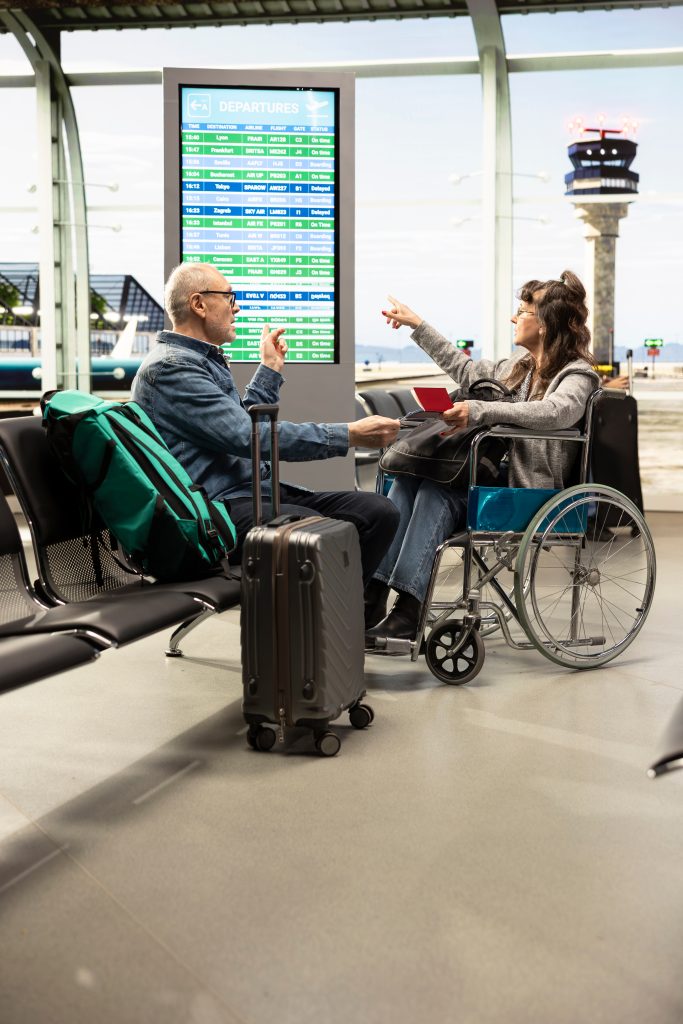


Finding a beautiful hotel or exciting tour is one thing. Finding out whether the room layout works for your mobility device, the transportation can accommodate you, or the day’s activities match your comfort and energy level requires a different kind of research.
Accessibility can also vary widely between destinations, hotels, cruise ships, tours, and transportation providers. What one company calls “accessible” may not match what you personally need.
You should not have to piece all of those details together alone just to enjoy the trip you have been looking forward to.
I understand how quickly an exciting trip can become complicated when you are trying to figure out which hotels, transportation options, tours, and activities can truly accommodate your needs. Accessibility can look different from one traveler to another, and the information available online is not always clear or specific enough to help you feel confident in your choices.
I take the time to understand who is traveling, your mobility or accessibility needs, your preferred pace, what you enjoy, what you want to avoid, and what will help you feel comfortable throughout the journey. With professional training and industry connections through ASTA, CTA, SNG, Viking, Collette, and Travel Leaders Network, I can research accessible accommodations, coordinate transportation, recommend suitable experiences, and create a thoughtful itinerary built around the way you travel.
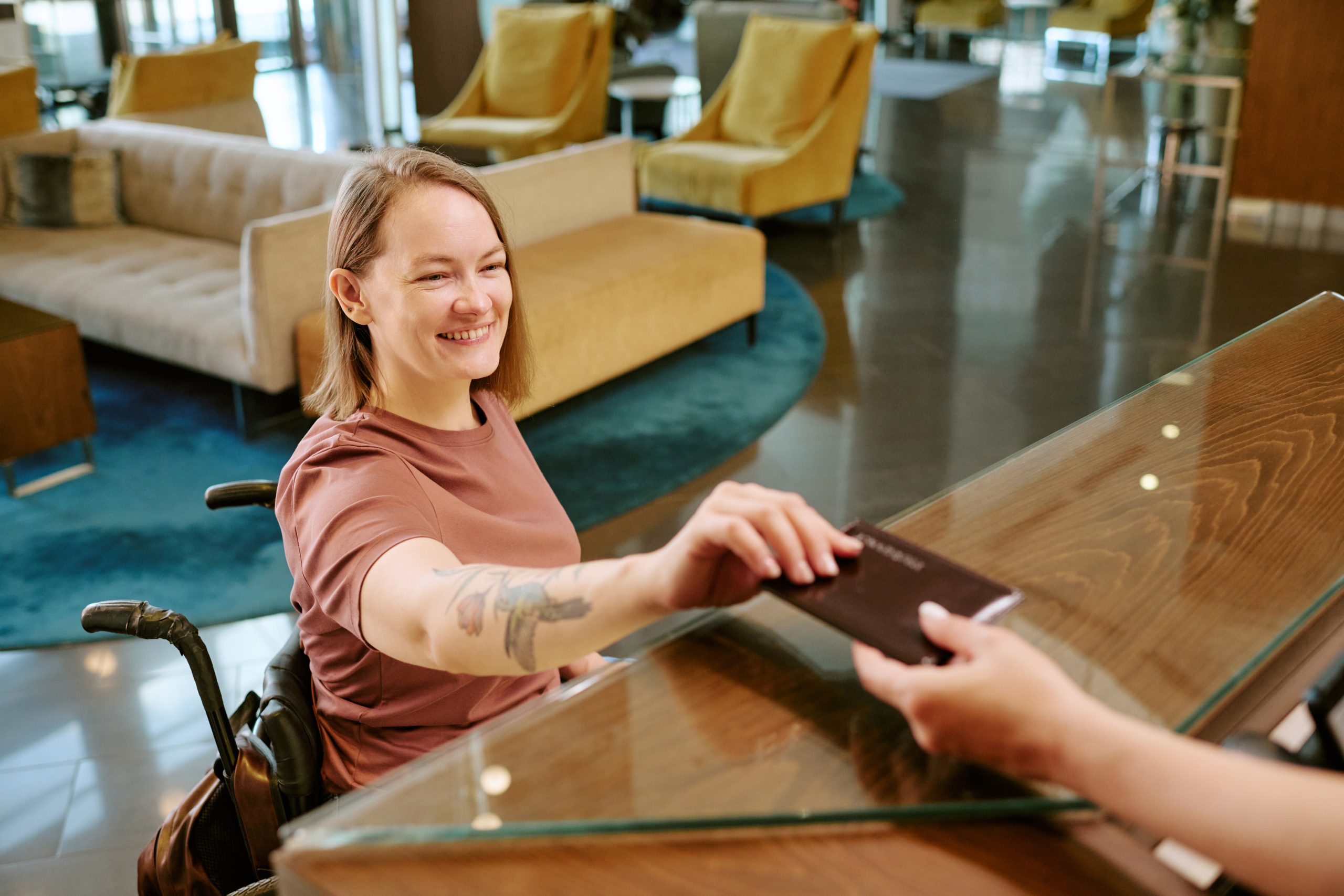
We look beyond the word “accessible” to help identify accommodations that better match your individual needs, including room layouts, bathroom features, elevators, property access, and other important details.
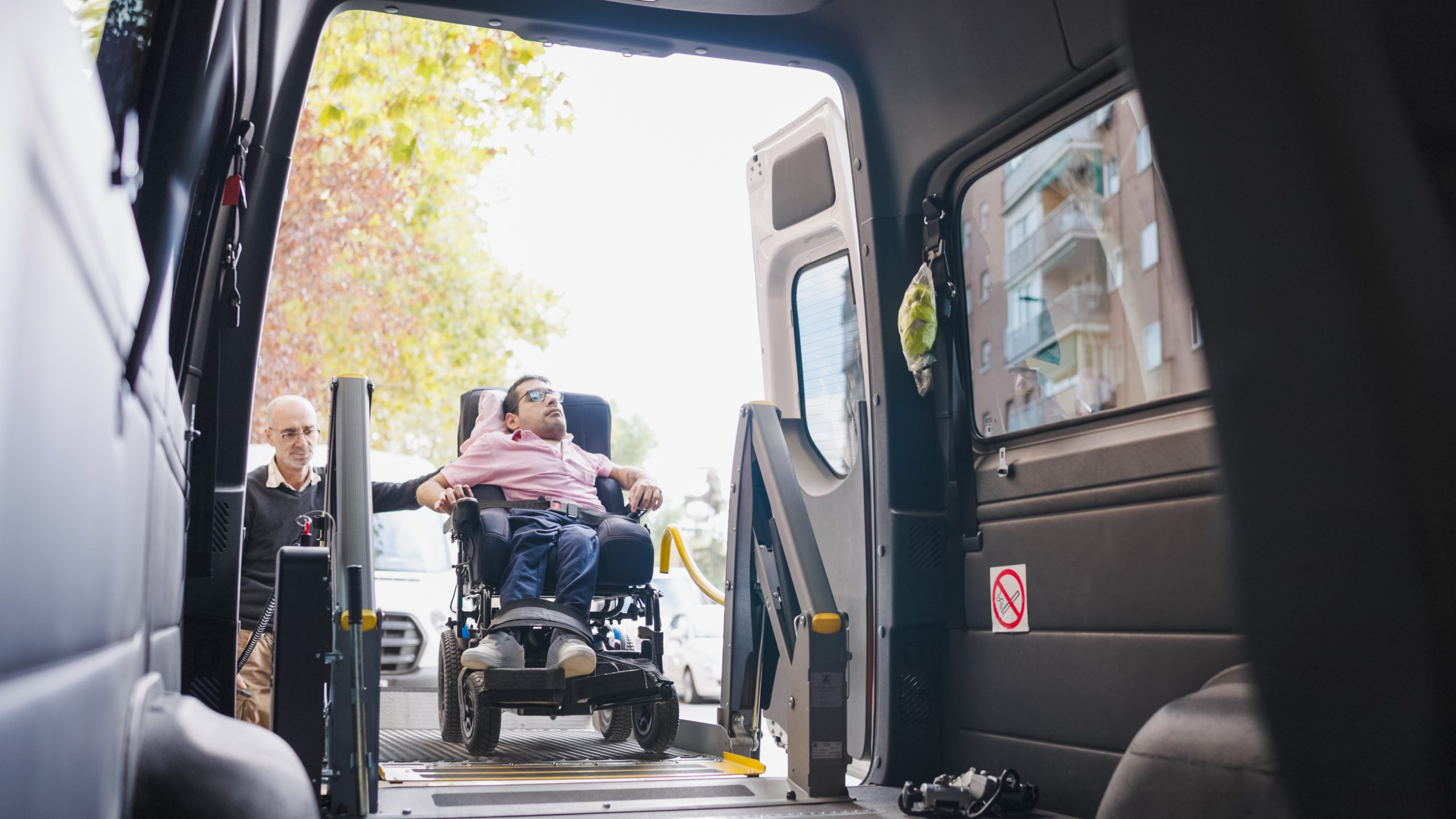
From airport transfers and private transportation to tours and cruise arrangements, transportation is considered as part of the overall journey so your plans connect as comfortably as possible.

Travel can be planned around sensory preferences, neurodivergent travelers, dietary considerations, medical equipment, service animals, and other disclosed needs that may affect the experience.
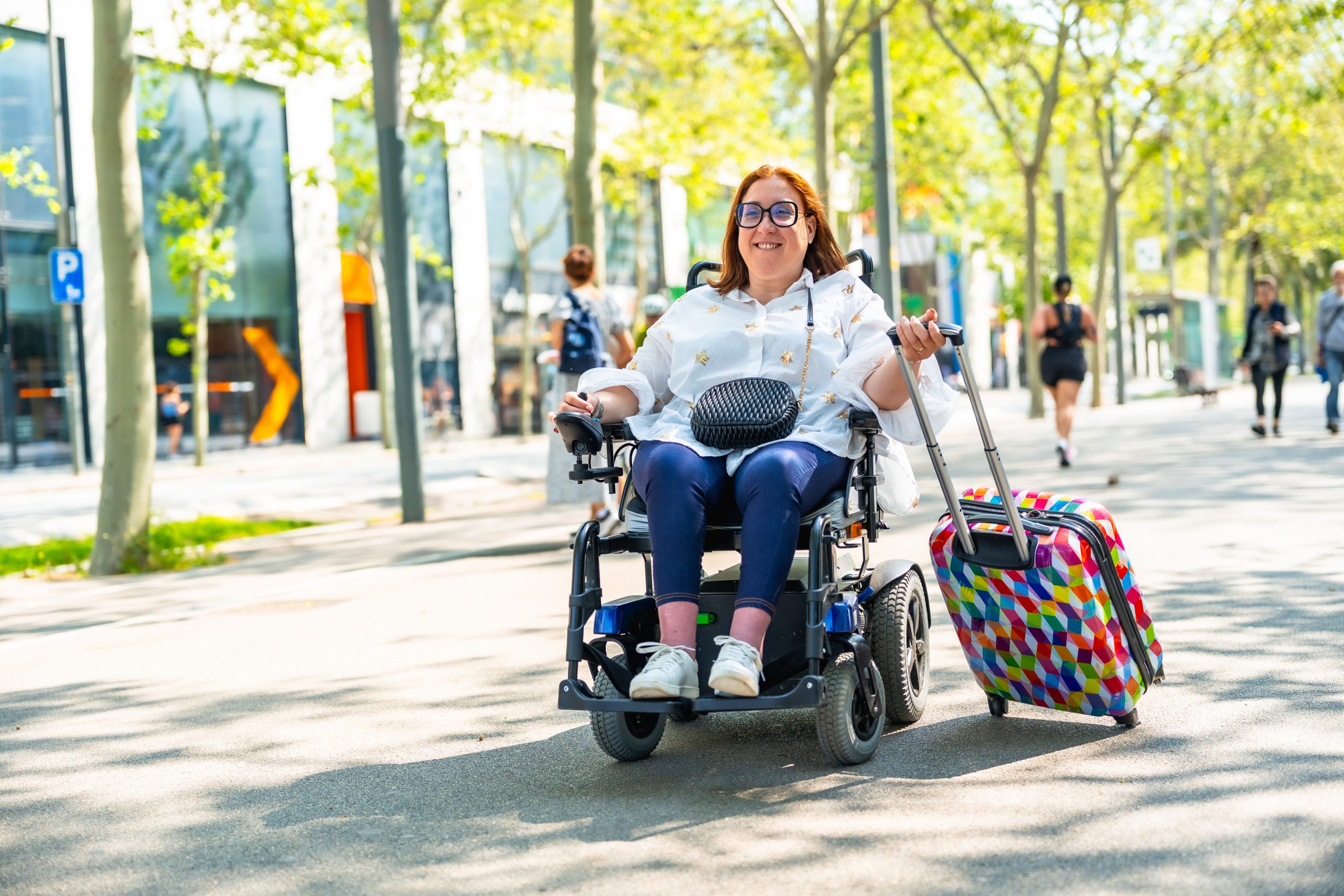
Not every great vacation needs to be packed from morning to night. Itineraries can include shorter touring days, fewer hotel changes, rest periods, manageable walking, and plenty of time to simply enjoy where you are.

Research into hotels, resorts, cruises, tours, destinations, and transportation based on your disclosed requirements.
Planning can account for quieter experiences, breaks, pacing, crowds, and other preferences that may make the trip more enjoyable.
Your itinerary brings important reservations, transportation, activities, and travel details together so you have a clearer picture of each day.
Full-service clients have a familiar point of contact before and during the trip when questions or unexpected changes arise.





An accessible room, tour, or transfer is only helpful if it actually works for your specific needs. Details such as step-free access, bathroom layouts, walking distances, mobility equipment, transportation, sensory considerations, and available assistance can all affect your experience.
That is why accessibility is considered from the beginning of the planning process, not added after everything else has already been booked.
I take the time to ask questions, research available options, and communicate your disclosed needs with travel partners whenever possible. The goal is to give you a clearer picture of what to expect and create a trip that works better for the way you travel.