
Travel has always been more than a change of scenery for me. It has been a way to bring learning to life, spend meaningful time together, and help my children understand the world beyond the pages of a book.
I homeschooled my children for 14 years, and one idea guided many of our lessons: teach it, then go see it.
We could read about an important event, study a culture, or explore a scientific idea at home. But when we stood in the place where history happened, saw a landscape with our own eyes, or spoke with people who lived differently from us, the lesson became real.
Those experiences stayed with my children long after we returned home. Now that they are adults, they continue to make travel and time together a priority. That is one of the reasons I believe so strongly in educational family travel.
What Educational Family Travel Really Means
Educational family travel does not have to feel like school on vacation.
It does not require long lectures, packed schedules, or a detailed lesson plan for every day. It simply means travelling with curiosity and making space to understand the destination more deeply.
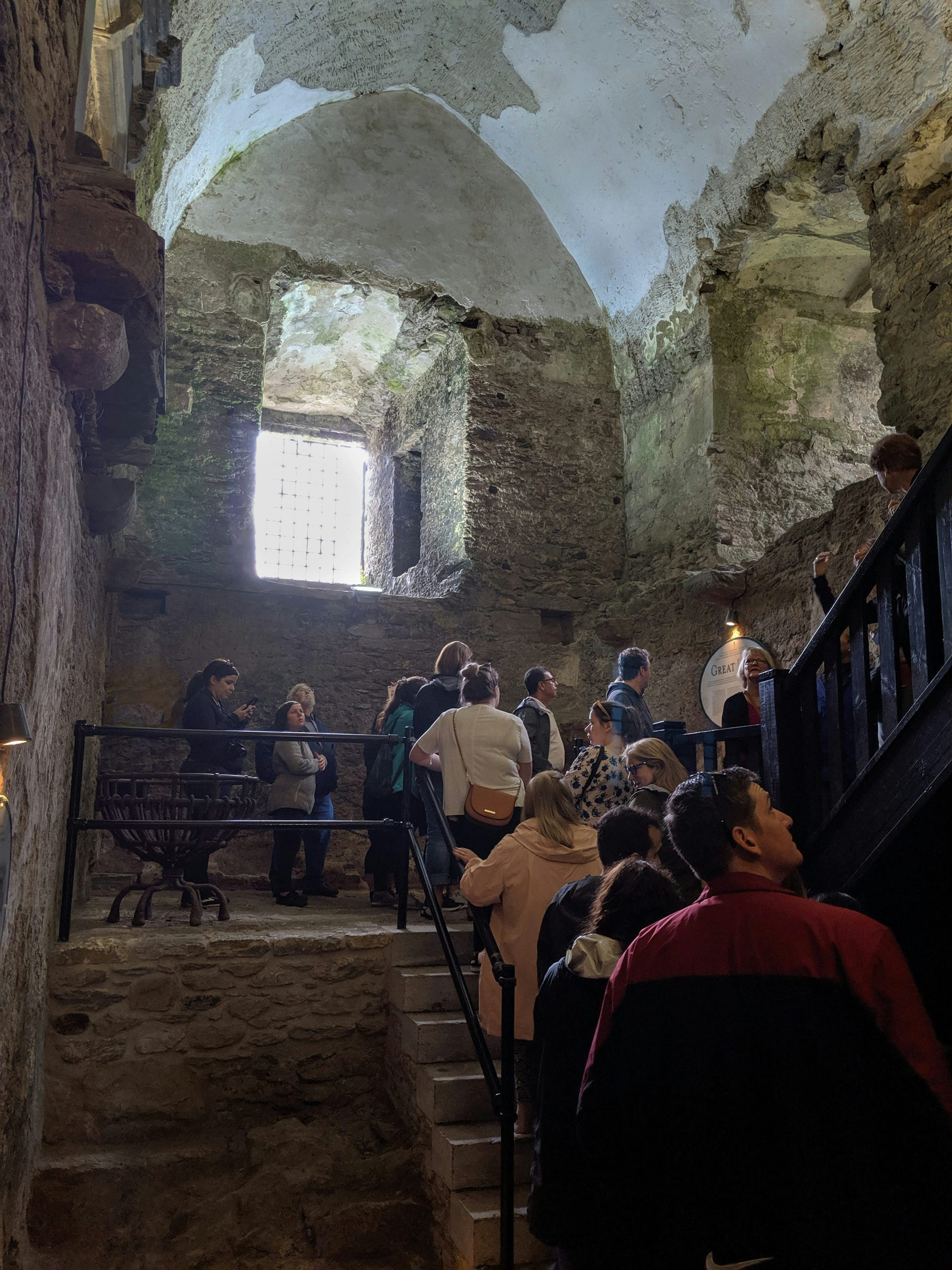
A castle can open the door to a conversation about how people lived centuries ago. A coastal walk can lead to questions about geology, wildlife, or local industries. A traditional meal can help travellers learn about the land, history, and customs of the people who live there.
These experiences allow children and adults to learn side by side. Everyone has the chance to ask questions, notice something new, and see the world from a different point of view.
Why Seeing a Place Changes the Lesson
Reading can introduce us to a destination, but being there adds details that are hard to understand from a distance.
You can study a historic building in a book, but standing inside it helps you notice the scale, materials, sounds, and atmosphere. You can learn about another culture online, but meeting local people and taking part in everyday traditions creates a more personal connection.
Travel uses all the senses. You hear local accents, taste regional food, walk through old streets, and see how the landscape shaped the people who live there.
The lesson becomes connected to a real memory.
Instead of remembering only a date or fact, your family may remember the guide who told the story, the weather that day, the view from the hill, or the conversation you had over dinner afterward.
Travel Can Bring Families Closer
Some of the most valuable parts of a family trip happen between the planned activities.
They happen during a long train ride, around a dinner table, or while laughing together after taking a wrong turn. Travel gives families a break from their usual routines and creates new experiences to share.
It also gives family members a chance to learn about one another.
A child may become fascinated by a piece of history you never expected them to enjoy. A grandparent may share a family story connected to a destination. Adult children may see their parents in a new way when they travel together.
These moments can strengthen relationships because everyone is experiencing something new at the same time.
How to Plan a Trip That Brings Learning to Life
A meaningful educational trip begins with the people travelling, not with a long list of attractions.
Start With What Interests Your Family
Think about the subjects, stories, or hobbies that already hold your family’s attention.
Do they enjoy castles and legends? Are they interested in nature, music, food, ancestry, art, or military history? A strong trip does not need to cover every topic. It should build around a few interests that make the destination feel personal.
For example, a trip to Ireland or Scotland could include ancient ruins, traditional music, historic homes, local farms, dramatic coastlines, and stories passed down through generations.
Leave Room for Curiosity
It can be tempting to fill every hour when travelling somewhere special. However, families often need time to slow down, ask questions, and take in what they have seen.
A little open space in the itinerary can lead to unexpected discoveries. You may find a small museum, a local market, or a scenic path that becomes one of the most memorable parts of the trip.
A thoughtful pace can be especially important when different generations or travel needs are involved.
Choose Experiences With a Human Connection
Look for opportunities to learn from local people.
A knowledgeable guide, cooking class, storytelling experience, craft workshop, or visit to a family-run business can help travellers understand a destination in a more personal way.
These experiences often add context that a sign or guidebook cannot provide. They show how history, culture, and daily life connect.
Talk About the Trip Before and After
Learning can begin well before departure.
You might read a book set in the destination, watch a documentary, explore family ancestry, or learn a few useful words and phrases. These small steps can help everyone feel more connected when they arrive.
After the trip, talk about what surprised each person, what they learned, and which moment they would like to experience again.
Photos, journals, maps, and small keepsakes can also help keep those memories alive.
Educational Travel Is Not Only for Children
One of the most important lessons travel has taught me is that we never stop learning.
Adults may discover a new interest, gain a deeper understanding of their family history, or see a familiar topic from another perspective. Travellers age 55 and older often bring years of life experience to a trip, which can make cultural and historical connections even more meaningful.
Educational travel can also bring generations together.
Grandparents, parents, adult children, and younger travellers may each notice something different. When those ideas are shared, the destination becomes part of a larger family story.
Give Every Traveller a Place in the Journey
A meaningful family trip should consider the interests, comfort, pace, and needs of the people taking it.
One traveller may want to spend hours in a museum, while another would rather explore a garden or nearby village. Someone may need more rest time, fewer stairs, specific meals, or transportation that feels easier to manage.
Considering these needs early can help the whole family enjoy the journey more fully.
The goal is not to create an identical experience for every person. It is to build a trip where each traveller feels included and has something to look forward to.
The Lessons Families Carry Home
The greatest value of educational family travel is not measured by how many landmarks you visit.
It is found in the stories you continue to tell, the questions the trip inspires, and the way family members remember their time together.
Travel can help us understand history, science, culture, and the natural world. It can also teach patience, curiosity, flexibility, and respect for people whose lives may look different from our own.
Most of all, it can remind us that learning does not only happen in a classroom. It happens wherever we are willing to look closer, ask questions, and experience the world together.
At Thistlebrook Travel, I help families and travellers age 55 and older plan meaningful journeys to Ireland, Scotland, and destinations around the world. I handle the research and details while considering your interests, pace, and travel needs.
When you are ready to teach it, then go see it, contact Thistlebrook Travel to begin planning a journey your family can experience together.